
Source: Primate adaptations in a highly seasonal and heterogeneous African ecosystem
A newly updated special issue of the American Journal of Biological Anthropology (AJBA), titled “Primate adaptations in a highly seasonal and heterogeneous African ecosystem“, is bringing global attention to one of Africa’s most ecologically significant landscapes—Gorongosa National Park in Mozambique.
With nine new peer-reviewed scientific articles, the collection brings together cutting-edge research on primates navigating one of the continent’s most variable environments. Edited by René Bobe and Robert L. Anemone, the issue explores how ecological pressures, climate variability, and human history shape primate behaviour, biology, and evolution.
A Living Laboratory in Gorongosa
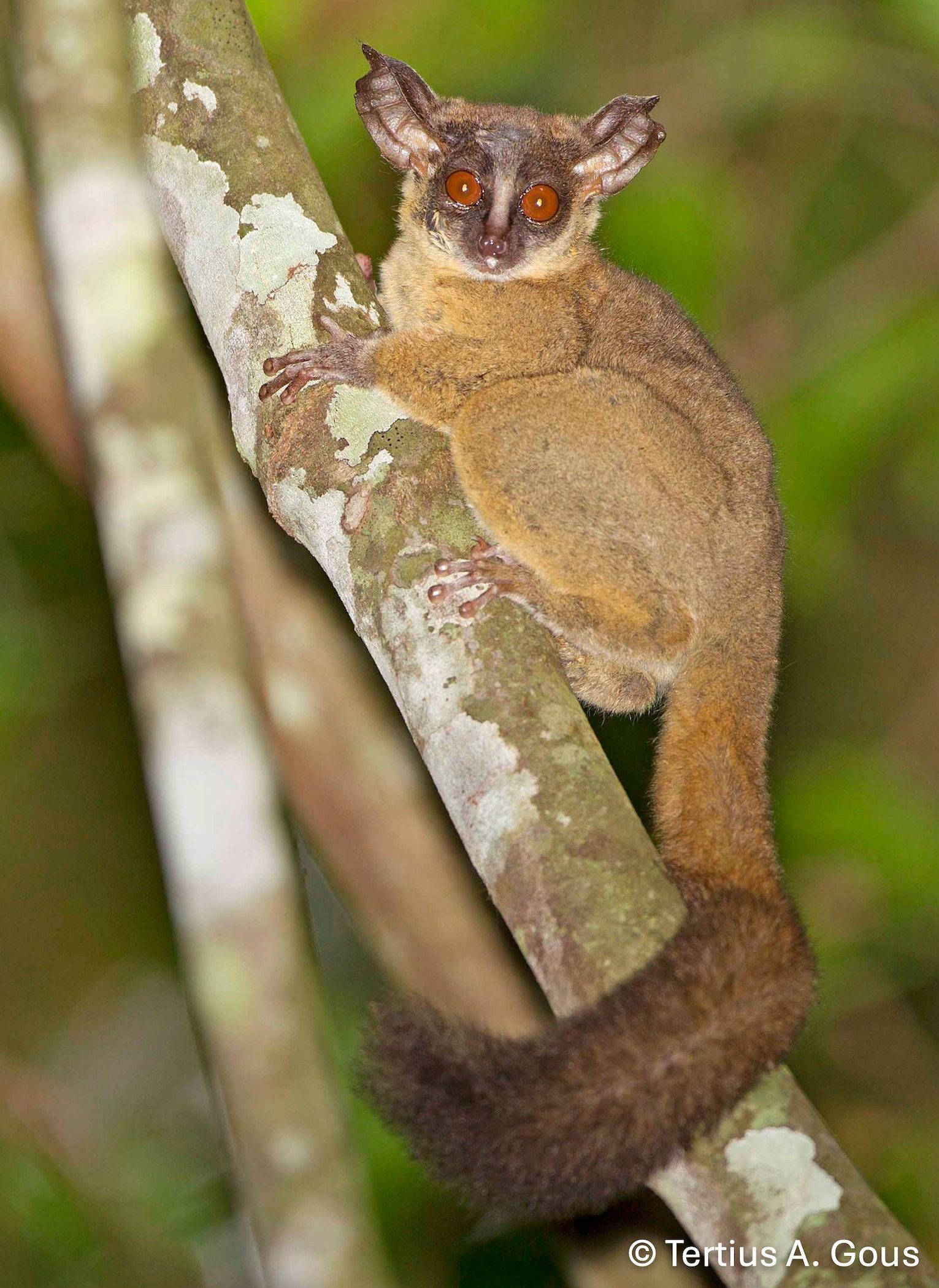
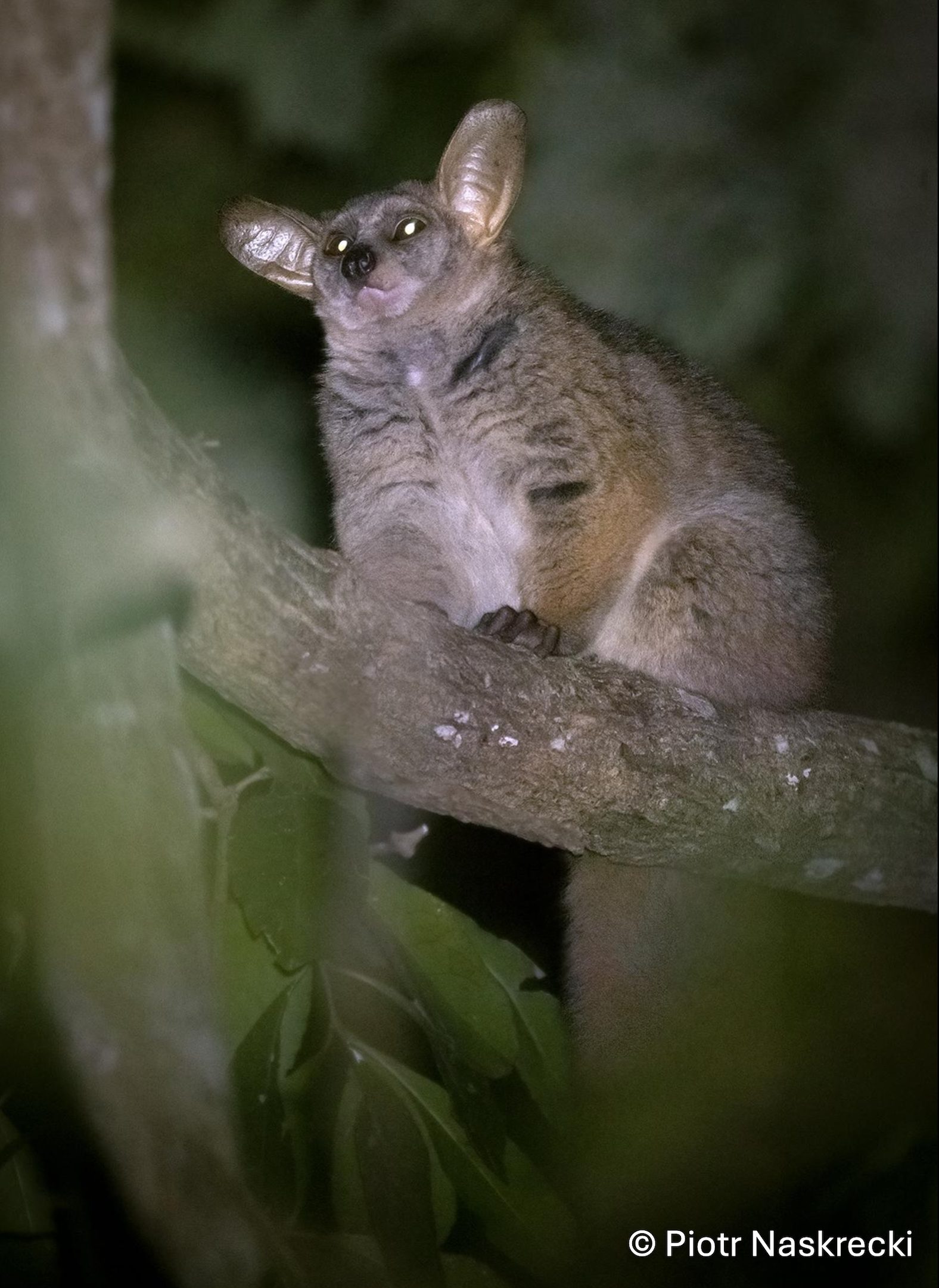
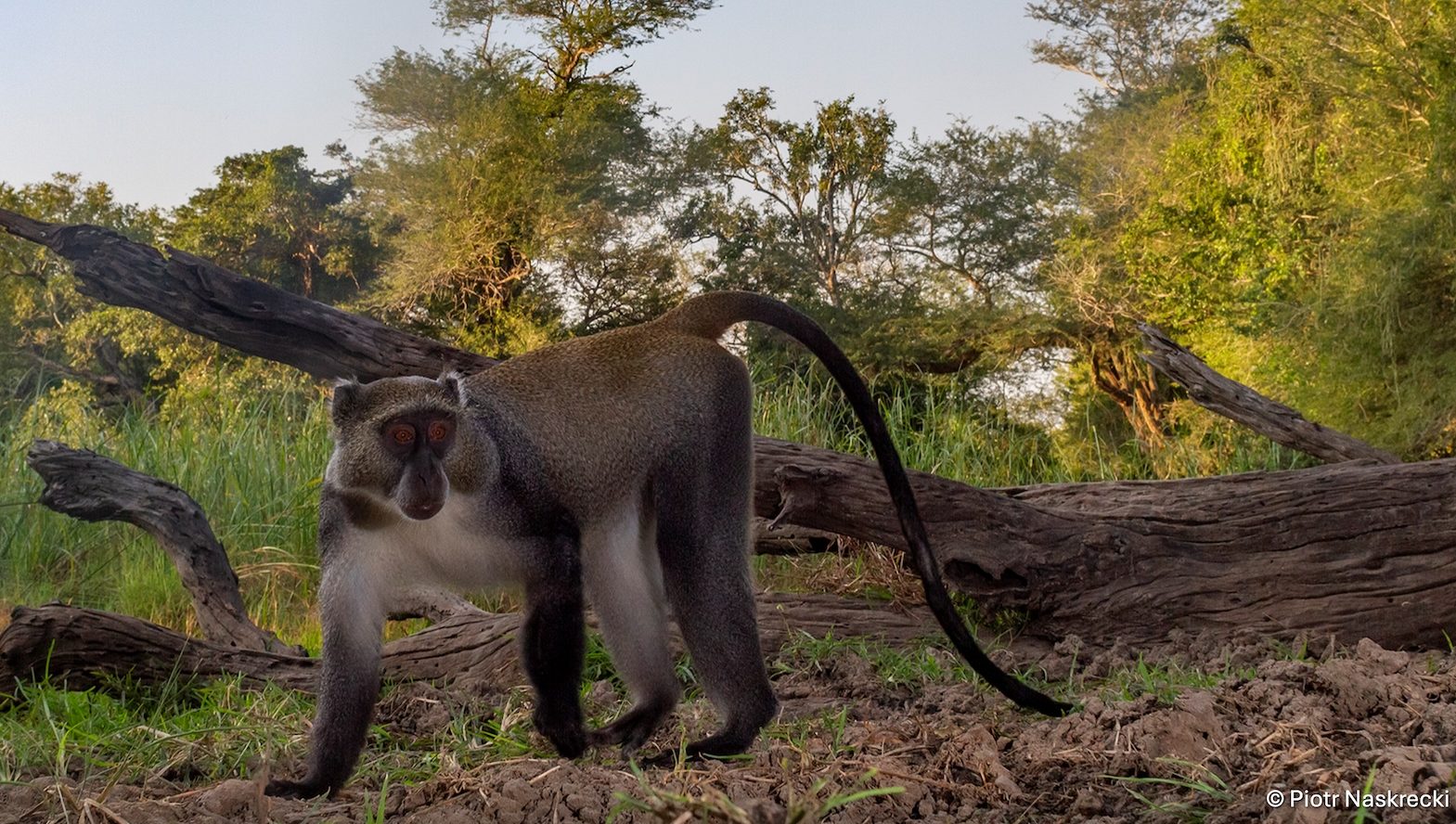
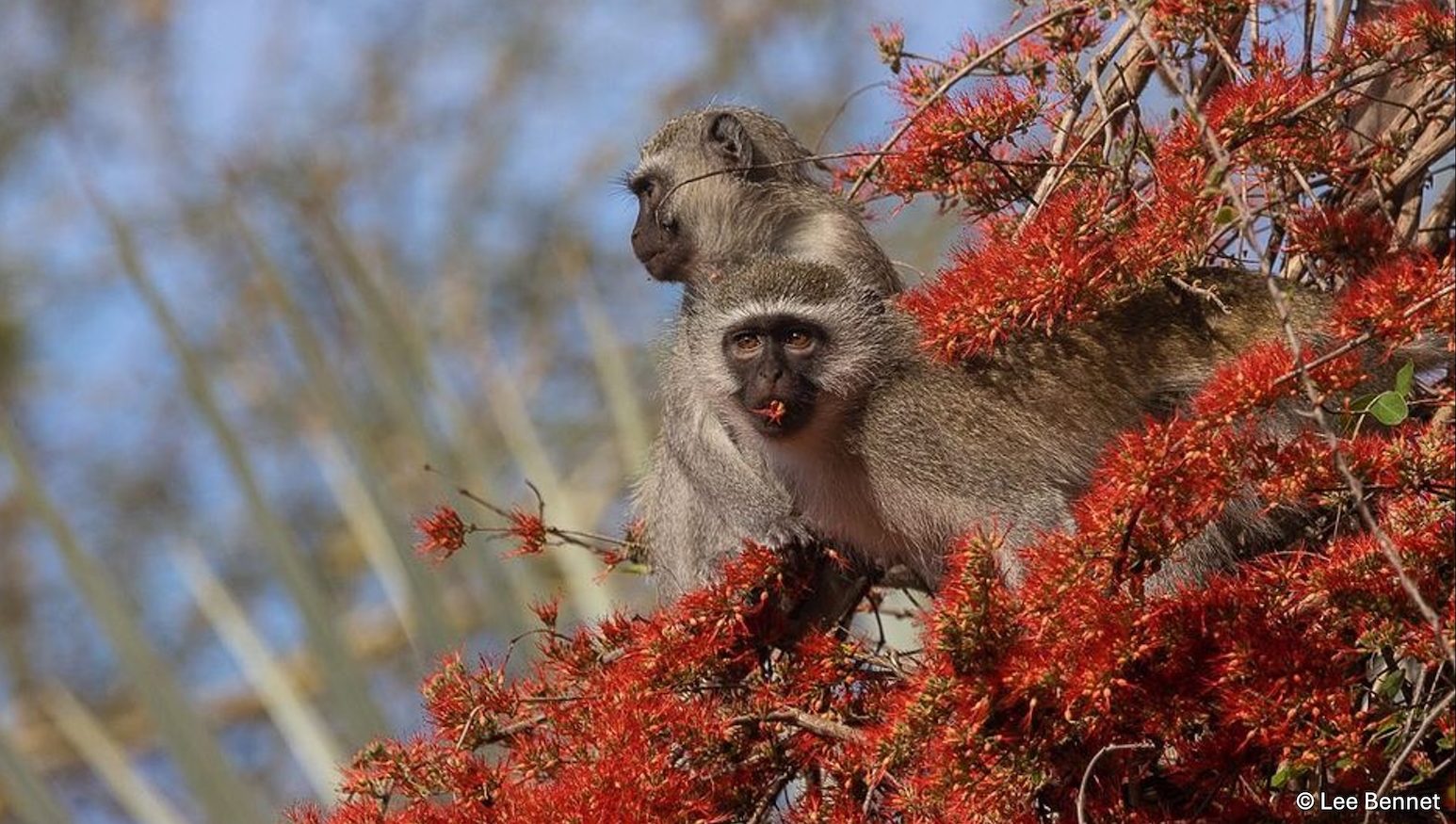
At the heart of the special issue is Gorongosa National Park, a region increasingly recognized as a natural laboratory for studying adaptation. The opening article, “The Primates of Gorongosa National Park, Mozambique”, by Susana Carvalho and colleagues, provides a comprehensive overview of the park’s primate diversity and ecological context.
The research highlights how primates in Gorongosa cope with extreme seasonal shifts, ranging from flooding wet seasons to resource-scarce dry periods, making it an ideal setting to study resilience and behavioral flexibility.
New Insights Into Baboon Behavior
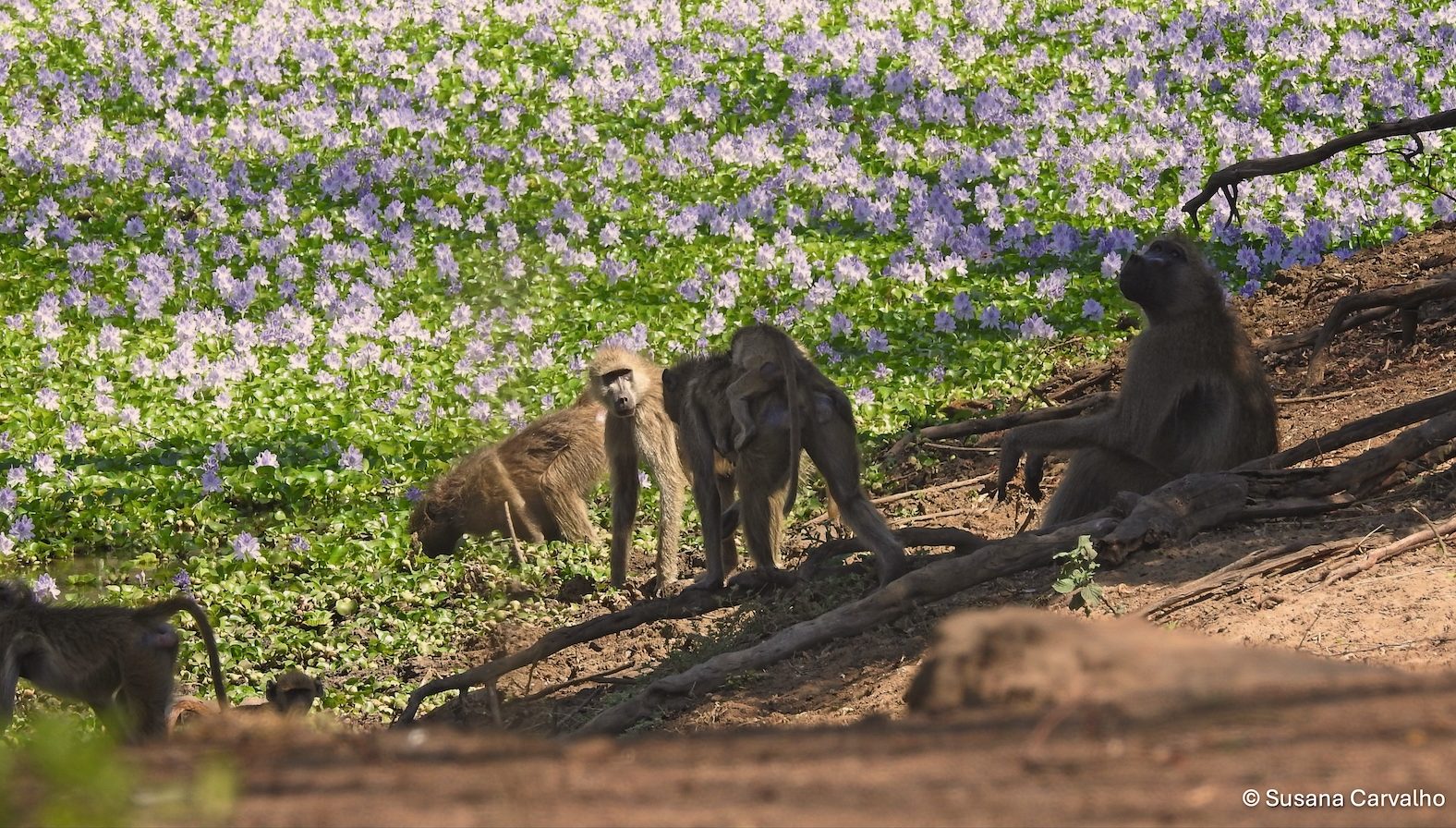
A major focus of the issue is the chacma baboon (Papio ursinus), one of the Park’s most studied species. Several articles uncover fascinating aspects of their social and ecological behavior:
- Male-Male Greeting Behavior: Jana Muschinski documents rare greeting rituals among male baboons, offering clues into social bonding and hierarchy.
- Sleep Site Selection: Research by Lynn Lewis-Bevan and colleagues identifies environmental and safety factors influencing where baboons rest, including predator risk and landscape features.
- Object Manipulation: A study led by Rassina Farassi reveals how baboons interact with objects differently depending on age, sex, and habitat—juveniles play more, while adults focus on food-related uses, especially near human-modified areas.
- Terrestrial Behavior and Risk: Philippa Hammond and team show how predation and seasonal change influence how much time baboons spend on the ground versus in trees.
Genetics, Culture, and Regional Variation
Beyond behavior, the issue dives into genetics and cultural variation:
- Hybridisation in Central Mozambique: Matteo Caldon and colleagues uncover genetic links between baboon populations, revealing hybridisation events that connect Gorongosa’s primates with neighboring regions.
- Bark-Stripping Traditions: In “West Side Story” Dora Biro and collaborators describe regional differences in bark-stripping behavior, suggesting cultural variation between baboon troops.
Climate and Historical Perspectives
The special issue also places primate adaptation in broader environmental and historical contexts:
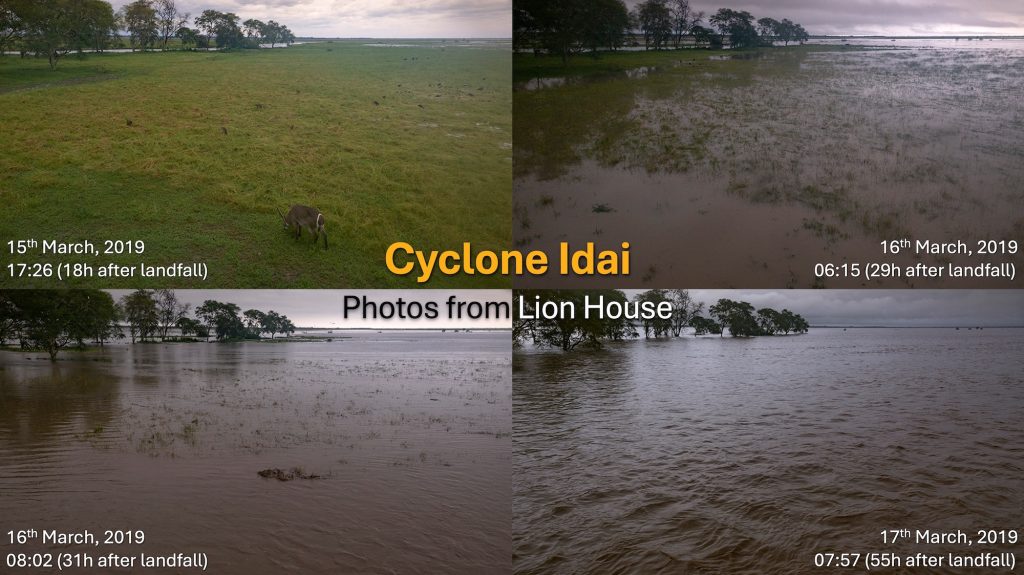
- Extreme Weather Impacts: Megan Beardmore-Herd and colleagues examine how rare but severe weather events affect primate populations, highlighting vulnerability to climate change.
- Colonial-Era Collections: Matilde Osório and Cecilia Veracini analyze Mozambique’s historical primate collections housed in Lisbon, shedding light on taxonomy, provenance, and colonial scientific practices.
Why This Special Issue Matters
Together, these studies paint a detailed picture of how primates survive and adapt in a rapidly changing world. Gorongosa’s dynamic ecosystem, marked by seasonal extremes, ecological diversity, and human influence, offers critical insights into:
- Behavioral flexibility and innovation
- Social complexity and cultural variation
- Genetic connectivity across landscapes
- Responses to climate change and environmental stress
As global ecosystems face increasing pressure, the findings from Gorongosa are not only regionally important but globally relevant for conservation biology and evolutionary science.
Accessing the Special Issue
All articles in this special issue are available through the American Journal of Biological Anthropology, offered as open access, making this research widely accessible to scientists, students, and conservation practitioners worldwide.
Citation Note:
Special Issue: Primate adaptations in a highly seasonal and heterogeneous African ecosystem, AJBA (2025–2026), Guest Editors: René Bobe & Robert L. Anemone.